
Digital Art Realms: How Virtual Galleries Are Redefining the Art World
Discover how digital galleries make art accessible worldwide. Explore interactive exhibitions, overcome geographical barriers, and experience art like never before—including insights from an abstract artist's perspective.

Digital Art Realms: How Virtual Galleries Are Redefining the Art World
Picture this: It's 2 AM, you're still in your pajamas, that third cup of tea growing cold on your desk. Suddenly, you're not just looking at art—you're inside it. Brushstrokes zoom past your face, colors swirl around you, and you can almost smell the digital varnish. That moment when you realize you're standing in a gallery that exists only in code, but feels more real than any museum you've visited? That's the magic we're talking about.
I remember the first time I "walked" through a virtual gallery. There I was in my pajamas, sipping tea, suddenly face-to-face with vibrant abstract canvases that seemed to pulse with life on my laptop screen. It felt like stepping into parallel universe made of color and light. This isn't sci-fi—it's the thrilling reality of how we're experiencing art today.
What Exactly Is a Virtual Gallery?
Before we dive deeper, let's get specific. A virtual gallery is more than just a website with pretty pictures. It's an immersive, interactive digital environment designed to replicate—and often enhance—the physical gallery experience. Think of it as a parallel universe where art exists not on walls, but in code, accessible from anywhere with an internet connection.
The Evolution of Art Spaces: From Stone Walls to Cloud Servers
Art has always needed a home—from cave paintings to Renaissance palaces, and now to the boundless realm of cyberspace. But this digital shift didn't happen overnight. Let's trace the journey:
- 1960s-70s: Early computer art experiments, artists like Vera Molnár creating generative art on primitive machines
- 1980s-90s: The birth of digital galleries on early internet platforms, though mostly just static image collections
- 2000s: Flash-based interactive galleries that started to mimic physical space
- 2010s: WebGL and Three.js revolution, true 3D environments become possible
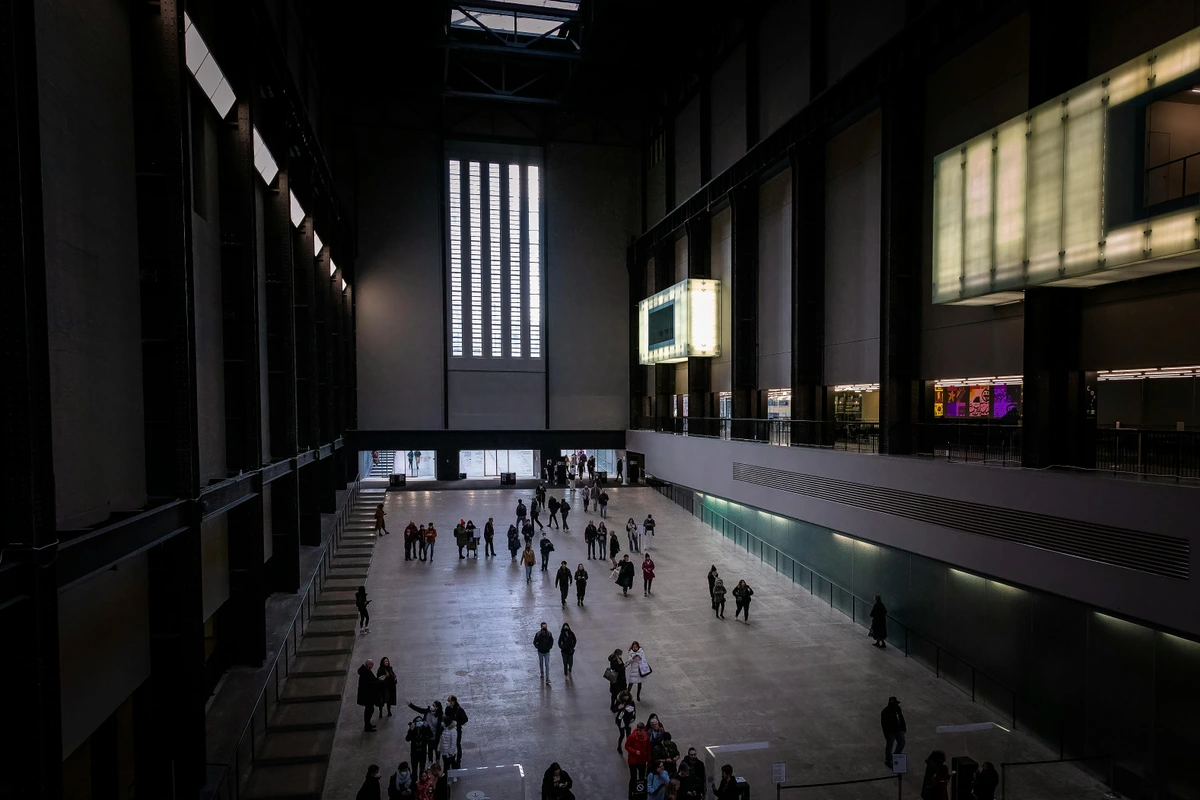
- 2020s: The pandemic accelerated adoption, with major museums like the Louvre and Tate Modern launching sophisticated virtual experiences
Physical galleries are magical, yes, but they come with invisible walls: geography, opening times, ticket prices. Virtual galleries don't just knock these down; they evaporate them entirely.

What Actually Is a Virtual Gallery?
Forget pixelated images on websites. We're talking about immersive 3D environments where you can:

- Wander through spaces designed specifically to showcase art
- Hover over artworks to see brushstrokes in microscopic detail
- Attend live "openings" where you chat with creators from across continents
- Curate your own personal exhibition path
- Experience art in ways impossible in physical space (rotating sculptures, zooming into brushwork)
- Participate in interactive art pieces that respond to your presence
These spaces aren't just showrooms; they're interactive ecosystems where art breathes differently.
Types of Virtual Gallery Experiences
Not all virtual galleries are created equal. Here are the main categories:
Experience Type  | Description | Best For | Examples |
|---|---|---|---|
| 360° Photo Galleries | High-resolution panoramas of physical spaces | Quick virtual tours, accessibility | Google Arts & Culture, museum virtual tours |
| 3D Rendered Galleries | Computer-generated environments | Immersive exploration, unique spaces | Artland, Gallery DNA |
| VR/AR Experiences | Virtual or augmented reality headsets | Maximum immersion, spatial interaction | Meta Quest gallery apps, HoloLens exhibitions |
| Interactive Platform Galleries | Social, multiplayer gallery spaces | Community engagement, live events | VRChat exhibitions, Spatial |
| Game-Integrated Art | Art within video game environments | Younger audiences, novel contexts | Fortnite exhibitions, Roblox galleries |
The Magic Behind the Curtain: How It All Works
Creating a virtual gallery is like building a dreamworld with digital LEGOs. It blends:
- WebGL & Three.js: The visual sorcery that renders 3D environments in browsers
- Spatial Audio: Making footsteps echo and whispers feel intimate
- VR/AR Compatibility: For those wanting to step inside the art
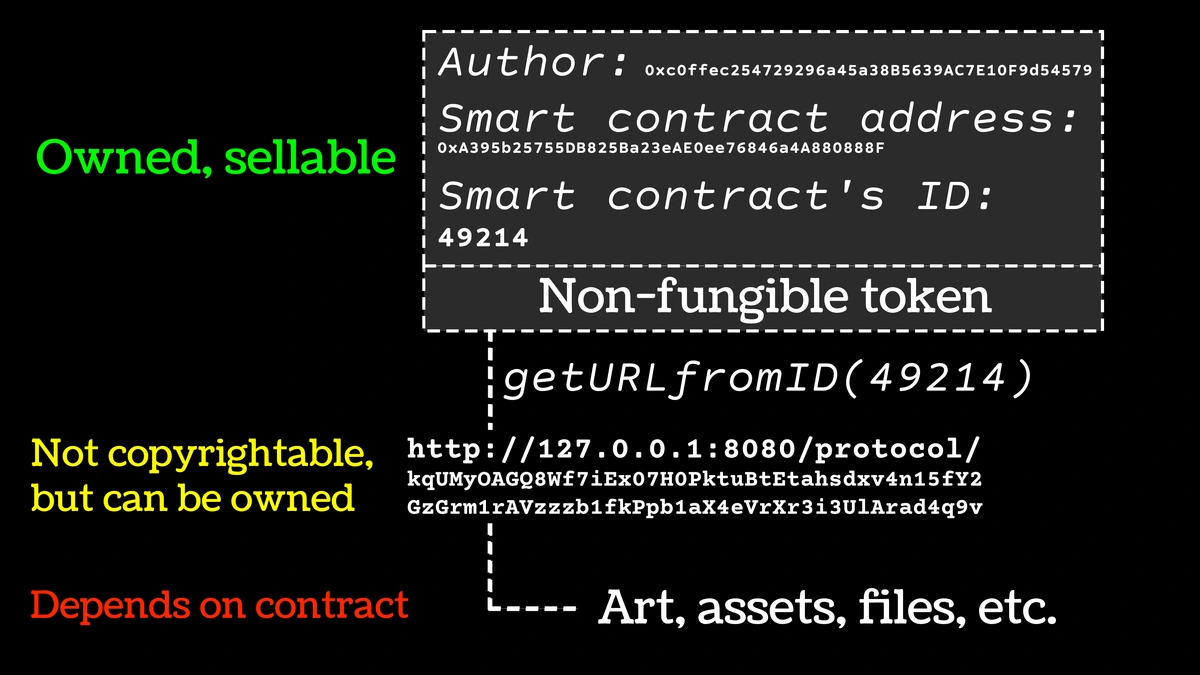
I've spent nights experimenting with these tools for my own timeline, and it's humbling to see how technology lets physical artworks take on surprising digital personas. No, I'm not talking about NFTs. Those feel more like digital certificates than true artistic experiences—the value lies in the interaction, not just the token.
Why Virtual Galleries Matter More Than Ever
The Business Revolution: New Models for Art Commerce
Virtual galleries aren't just about accessibility—they're creating entirely new economic models for the art world. Traditional gallery economics are brutal: high rent, limited geographical reach, and the constant pressure of physical inventory. Virtual spaces eliminate most of these constraints.
New Revenue Streams:
- Virtual Exhibition Commissions: Artists pay for digital exhibition space, often at a fraction of physical gallery costs
- Digital Sales Commissions: Similar to traditional galleries but with global reach
- Subscription Access: Premium tiers for exclusive content or early access
- Virtual Events: Ticketed openings, artist talks, and workshops
- Sponsorship Partnerships: Brands sponsoring virtual exhibitions or gallery spaces
- Educational Programs: Virtual classes and workshops tied to exhibitions
Success Stories: Galleries like Perrotin and Gagosian have reported significant virtual sales, while emerging digital-only galleries like Bright Moments and SuperRare are building entire businesses around NFT and digital art markets.
1. The Great Geography Eraser
Remember when discovering new art meant being in the right city at the right time? Those days are fading. Last month, someone in Jakarta spent 40 minutes exploring my abstract series while sipping morning coffee. That same evening, someone in Toronto visited before bed. Impossible? No. Now?
Daily.
2. Superhuman Experience
Imagine examining a watercolor's fade, observing how colors merge at a molecular level, or circling a sculpture to uncover details invisible to the naked eye. That's the superpower of digital galleries:
Feature | Physical Gallery | Virtual Gallery |
|---|---|---|
| Inspection | Limited by proximity | Microscopic zoom analysis |
| Time Constraints | Restricted by hours | Open 24/7/365 |
| Accessibility | Physical barriers | All you need is connection |
| Personalization | Follow preset paths | Create custom routes |
3. The Accessibility Revolution
Not everyone can climb museum steps or endure crowded spaces. Virtual galleries are:
- Wheelchair-accessible by default
- Comfortable for sensory-sensitive visitors
- Easy for parents managing little ones
- Available regardless of travel budgets
Challenges in a Pixel Paradise
It's not all rainbows and unicorns though. Let's be real:
Technical Challenges
- The Digital Divide: Not everyone has high-speed connections or fancy devices. Rural areas, low-income communities, and older populations often lack the infrastructure or technical literacy to access virtual galleries.
- Device Fragmentation: Virtual galleries need to work on everything from high-end VR headsets to budget smartphones, creating massive development challenges.
- Performance Optimization: 3D environments are resource-intensive. Balancing visual quality with smooth performance across different devices is an ongoing battle.
Experiential Challenges
- The Aura Problem: How do you replace the smell of varnish or the weight of a physical masterpiece? This is Walter Benjamin's "aura" theory—something gets lost in digital translation.
- Tech Fatigue: Staring at screens all day? Oof, I feel that. Virtual gallery fatigue is real, especially for extended viewing sessions.
- Sensory Limitations: The lack of multi-sensory experience—no temperature changes, no real spatial awareness, limited tactile feedback.
Business Challenges
- Profitability: These spaces cost serious money to build and maintain. Development costs can run into six figures for sophisticated platforms.
- Market Saturation: Everyone's jumping on the virtual gallery bandwagon, making it harder to stand out.
- Monetization Uncertainty: Still figuring out sustainable business models that work for both galleries and artists.
- Digital Rights Management: Protecting both artists' rights and ensuring proper attribution in digital spaces.
Solutions and Innovations
The good news? These challenges are driving innovation:
- Progressive Web Apps: Work offline and on low-end devices
- Haptic Feedback: Gloves and suits that simulate touch
- Scent Technology: Diffusers that release gallery-appropriate scents
- Hybrid Experiences: Combining physical and digital elements
- AI-Powered Curation: Personalized exhibition paths
- Blockchain Integration: For provenance and digital ownership
Meet the Artists: Thriving in New Worlds
I've watched traditional painters transform into digital explorers. Sculptors creating AR versions of their work. Photographers building entire universes around a single click. The common thread?
Adaptation isn't surrender; it's evolution.
Artist Interviews: Voices from the Digital Frontier
"Virtual galleries changed my career trajectory overnight. I was struggling to get physical shows, but my digital exhibitions gained international attention. Suddenly, collectors from Tokyo to Buenos Aires were experiencing my work." — Maya Chen, Digital Installation Artist
"The best part? No packing crates, no insurance nightmares, no shipping damages. My art is always 'on view' and always safe in the cloud." — Marcus Rivera, Virtual Sculptor
"I love how virtual spaces let me experiment with art forms that would be impossible or prohibitively expensive in physical space. Interactive installations that respond to viewer movement? That's where the magic happens." — Sofia Petrov, Mixed Media Digital Artist
Career Paths in Virtual Art
Virtual galleries are creating entirely new artistic careers:
Career Path | Description | Skills Required | Market Demand |
|---|---|---|---|
| Virtual Gallery Curator | Designing and managing digital exhibitions | Art history, digital literacy, curation skills | High, especially with traditional art backgrounds |
| 3D Art Connoisseur | Creating digital replicas of physical artworks | 3D modeling, photography, art restoration | Growing as digitization projects increase |
| Virtual Experience Designer | Creating immersive art experiences | UX design, storytelling, interactive media | High as demand for engaging content grows |
| Digital Art Restorer | Preserving and restoring digital artworks | Technical skills, art conservation, digital archiving | Critical for preserving digital art history |
| Metaverse Artist | Creating art specifically for virtual worlds | 3D design, programming, understanding virtual economies | Exploding as metaverse platforms grow |
My own abstract compositions have found new homes in virtual spaces where their bold geometries can be appreciated without glass reflections. It's liberating to see how color and form transcend medium.
Your First Virtual Gallery Visit: A Step-by-Step Adventure
Ready to dive in? Here's your no-stress guide:
Phase 1: Preparation
Step | Action | Pro Tips |
|---|---|---|
| 1. Pick a Platform | Try Google Arts & Culture, Artland, or gallery-specific sites | Start with VR experiences if you have a headset |
| 2. Set the Mood | Dim lights, grab headphones, pour a drink | Close distracting tabs! Focus matters |
| 3. Check Your Tech | Update browser, ensure good internet connection | Test audio settings beforehand |
| 4. Choose Your Device | Laptop, tablet, or VR headset | Each offers different experiences—experiment! |
Phase 2: The Experience
Step | Action | Pro Tips |
|---|---|---|
| 5. Explore Without Pressure | Wander, click, get lost | Take your time—no crowds blocking your view |
| 6. Interact! | Hover, inspect chat (if available), join events | Ask questions! Curators often respond live |
| 7. Take Notes | Save favorites, bookmark interesting pieces | Most platforms allow you to create personal collections |
| 8. Participate | Join discussions, attend virtual openings | Many have chat features for real-time interaction |
Phase 3: After Your Visit
Step | Action | Pro Tips |
|---|---|---|
| 9. Process Your Experience | Journal your thoughts, revisit favorites | Reflection deepens your connection to the art |
| 10. Share the Journey | Screenshots to friends, revisit favorites | Create your own highlight reel |
| 11. Follow Up | Connect with artists, join mailing lists | Build relationships for future exhibitions |
| 12. Plan Your Next Visit | Explore different platforms or exhibitions | Each gallery has its own unique character |
Frequently Asked Questions (FAQ)
Q: Is digital art "real" art?
A: Absolutely! The medium changes but the core artistic intent—expression, challenge, beauty—remains. My physical prints and digital twins express the same soul.
Q: Can I actually buy art from virtual galleries?
A: Yes! Many platforms facilitate purchases of both digital pieces and physical originals. For my work, you can explore original paintings and limited edition prints through my online collection.
Q: Do I need VR equipment?
A: Nope! Most virtual galleries work beautifully on laptops and phones. VR just adds immersion depth.
Q: Are virtual galleries replacing physical museums?
A: Think of it as blending realities—one complements rather than replaces the other. They're peanut butter and jelly.
Q: How do artists make money here?
A Through direct sales, virtual exhibitions, digital exclusives, and Patreon-style memberships. It’s about adapting traditional models to new platforms.
The Hybrid Horizon: Where We're Headed
The future isn't purely digital or physical—it's both. We're entering an era where:
- Museums offer "dual exhibitions"
- Artists maintain studios in physical and virtual realms
- Your art collection lives on walls and in cloud storage
Emerging Technologies Shaping Tomorrow's Galleries
AI-Driven Curation: Imagine walking into a gallery where the space itself responds to your mood and preferences. AI algorithms analyze your viewing patterns, biometric data (where permitted), and even social media activity to curate a personalized exhibition path that evolves as you explore.
Haptic and Olfactory Integration: Beyond visual and audio, galleries are incorporating touch through haptic feedback suits that let you "feel" brushstrokes or sculpture textures. Scent diffusion systems release gallery-appropriate aromas—varnish for traditional paintings, ozone for digital installations, or custom scents created by perfumers.
Blockchain and Provenance: While we're skeptical of NFT hype, the underlying blockchain technology is revolutionizing how we track art ownership and provenance. Every exhibition, viewing, and transaction can be permanently recorded, creating an unbroken chain of custody for artworks.
Social and Collaborative Spaces: The next evolution moves beyond passive viewing to collaborative creation. Imagine multiple artists working on a single virtual installation in real-time, or audiences contributing to the artistic process through interactive elements.
The Gallery of the Future: A Day in the Life
Let me paint you a picture of what a typical gallery visit might look like in 2030:
Morning: You wake up and put on your smart glasses. Your personalized art assistant presents you with three exhibition recommendations based on your mood and recent interests. You choose the "Digital Renaissance" show and your AR glasses overlay a perfect gallery space onto your living room.
Lunchtime: You attend a live virtual artist talk happening in Tokyo. Through spatial audio, you feel like you're right there in the studio, asking questions and interacting with other attendees from around the world.
Afternoon: You visit your favorite digital artist's studio. Instead of just viewing their work, you collaborate with them on a new piece—your movements and preferences influencing the generative art in real-time.
Evening: You host a private viewing party for friends in your virtual gallery space, showcasing the new pieces you've collected throughout the day.
As someone who blends analog brushes with digital innovation daily, I find this exhilarating. We're not just changing where art lives—we're changing how it connects with us.
So go ahead, step into a virtual gallery. Wander. Wonder. Get lost in color. Because the art world isn't just changing—it's inviting you to help redesign it, from your living room to theirs.
Getting Started: Your Virtual Gallery Toolkit
Ready to explore? Here's your essential toolkit:

Essential Platforms to Try
Platform | Best For | Key Features | Cost |
|---|---|---|---|
| Google Arts & Culture | Museum access, educational content | 360° tours, high-res zoom, free | Free |
| Artland | Contemporary art discovery | Curated exhibitions, artist profiles | Free to browse, paid exhibitions |
| Gallery DNA | Immersive 3D experiences | Customizable spaces, social features | Freemium |
| Spatial | Social virtual gallery experiences | Multi-user, events, VR support | Free basic, premium features |
| VRChat | Community-driven art spaces | User-created galleries, social interaction | Free |
Tips for the Best Experience
- Start Simple: Begin with Google Arts & Culture to get comfortable with the concept
- Invest in Good Audio: Spatial audio is half the experience—invest in headphones
- Set the Scene: Create a dedicated space with minimal distractions
- Take Your Time: Virtual galleries reward patience—explore every nook and cranny
- Engage: Don't just observe—participate in chats, ask questions, join events
- Document: Take screenshots, save favorites, and share your discoveries
- Return Often: Virtual exhibitions change regularly—make it a habit
Creating Your Own Virtual Gallery Space
If you're an artist looking to create your own virtual space:
- Define Your Goals: Are you selling work, building community, or both?
- Choose Your Platform: Based on your technical skills and audience
- Curate Your Content: Select pieces that work well digitally
- Design the Space: Consider flow, lighting, and user experience
- Plan Events: Virtual openings, artist talks, workshops
- Promote: Use social media, email lists, and collaborations
- Gather Feedback: Learn from visitor interactions and improve
The virtual gallery revolution isn't coming—it's already here. The question isn't whether this is the future of art, but how deeply you want to participate in shaping it. The walls have come down, and the only limit is your imagination.

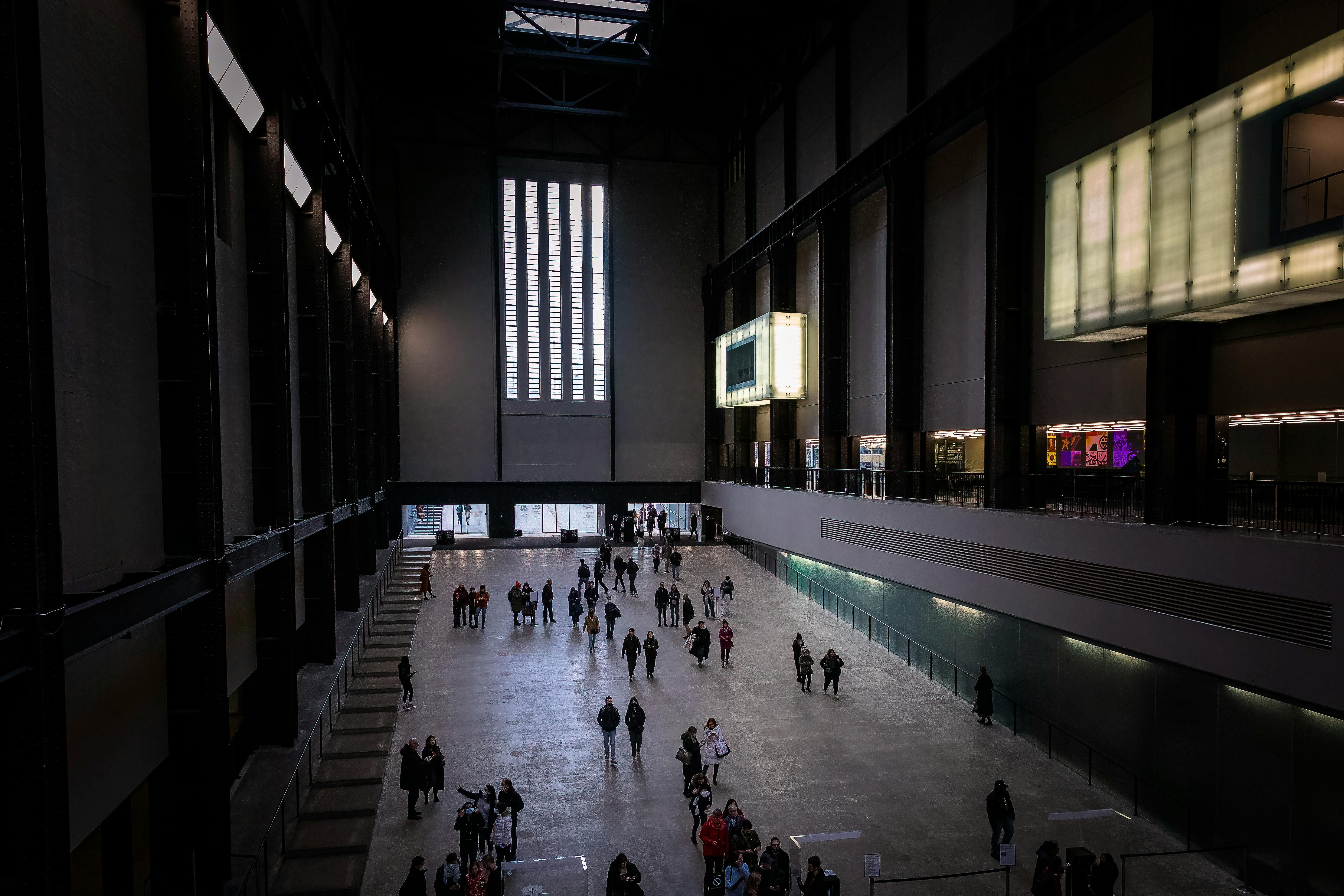
Jeffrey Hamilton, Unsplash License
Environmental and Social Impact: The Hidden Benefits
Beyond convenience and innovation, virtual galleries offer profound environmental and social advantages that are reshaping the art world's relationship with our planet and communities.
The Green Gallery: Environmental Benefits
Traditional art galleries have significant environmental footprints:
- Shipping: Artworks travel thousands of miles by air, sea, and land
- Energy: Physical spaces require constant lighting, climate control, and security
- Materials: Printed catalogs, promotional materials, construction waste
- Travel: Artists, collectors, and visitors all contribute to carbon emissions
Virtual galleries eliminate most of these impacts:
Environmental Impact | Physical Gallery | Virtual Gallery |
|---|---|---|
| Carbon Footprint | High (shipping, travel, energy) | Low (primarily server energy) |
| Resource Use | High (physical materials, construction) | Low (digital resources only) |
| Accessibility | Limited by location | Global, 24/7 access |
| Waste | Exhibition materials, printed materials | Minimal digital waste |
Case Study: A major museum's physical tour vs. virtual equivalent:
- Physical tour: 500 visitors × 50-mile round trip = 25,000 vehicle miles
- Virtual tour: Zero transportation emissions, same reach
Democratizing Art: Social Impact
Virtual galleries are breaking down barriers that have excluded people from the art world for centuries:
Economic Accessibility:
- No ticket prices or admission fees
- No travel expenses or accommodation costs
- No pressure to purchase—pure appreciation
Physical Accessibility:
- Wheelchair accessible by technical default
- No stairs, narrow passages, or crowded spaces
- Customizable viewing speeds and environments
Cultural Accessibility:
- Exposure to diverse art forms from around the world
- Translation services for international content
- Contextual information for deeper understanding
Educational Accessibility:
- Perfect for schools and universities
- Can be integrated into curricula
- Safe spaces for art exploration without intimidation
The Digital Divide: Addressing the Challenge
While virtual galleries offer incredible access, we must acknowledge the digital divide:
The Reality:
- 2.9 billion people still lack internet access (ITU, 2023)
- Many lack the devices or digital literacy to navigate virtual spaces
- Rural and low-income communities are disproportionately affected
Solutions Being Implemented:
- Offline-Online Hybrids: Downloadable content that works without internet
- Community Access Points: Libraries, community centers with public access
- Simplified Interfaces: Design for low-tech users and older generations
- Mobile-First Approaches: Optimizing for the most common global devices
- Educational Programs: Teaching digital literacy alongside art appreciation
The Future of Inclusive Art
The ideal future isn't virtual OR physical—it's both, working together to create maximum accessibility:










- Physical Galleries with Virtual Extensions: On-site kiosks offering deeper digital content
- Community Hubs: Local spaces with VR equipment for group experiences
- Mobile Libraries: Bringing virtual gallery access to underserved areas
- Collaborative Exhibitions: Physical and digital versions of the same show
- Hybrid Events: Physical openings with simultaneous virtual participation
This dual approach ensures that the benefits of virtual galleries don't create new forms of exclusion, but rather complement and enhance traditional art access for everyone.