Venice Biennale Artist's Guide: Unlocking Creative Inspiration
Navigate the Venice Biennale like a seasoned artist. This comprehensive guide offers planning tips, venue insights for Giardini & Arsenale, practical advice, and a personal perspective on this transformative global art event, ensuring your first visit sparks endless inspiration.

# A First-Timer's Artist Guide to the Venice Biennale: Unlocking Creative Inspiration and Insights Imagine [Venice](/finder/page/the-venice-biennale-a-first-timers-guide), that ancient, watery labyrinth, suddenly pulsating with a raw, electric energy, transformed into a vibrant hub of contemporary creativity. That’s the Venice Biennale. The first time the words 'Venice Biennale' whispered into my mind, my gut did a little flip, then my brain promptly presented a blurry, overwhelming image. How does one even *begin* to navigate such a magnificent, sprawling exhibition that transforms the ancient city every two years? It’s this colossal beacon in the global [art](/finder/page/history-of-art-guide) and architecture landscape, and honestly, for the uninitiated, approaching this cultural leviathan can feel utterly daunting. But trust me, as an artist who’s wrestled with its grandeur and emerged inspired (without the mild existential dread I *definitely* felt initially), it promises an unparalleled journey of discovery. My aim here is to cut through the initial overwhelm, offering a roadmap built from my own artistic wanderings, so your first encounter is as enriching and inspiring as possible. ## Understanding the Biennale: Art, Architecture, and a Grand, Evolving Tradition Before you even think about packing your bags, it's crucial to grasp the fundamental nature of the Biennale. This means understanding its fascinating rhythm: the Venice Biennale alternates between two primary disciplines: **Art** and **Architecture**. If you’re a painter, a sculptor, or an installation artist, the **[Art Biennale](/finder/page/what-is-an-art-biennale)** takes place in odd-numbered years, offering a direct, unfiltered pulse on where visual arts are heading – new materials, new forms, new stories told with pigment, light, and form. The **Architecture Biennale** occupies even-numbered years and, while perhaps not immediately 'your medium,' reveals the critical dialogue between space, function, and human experience. And let me tell you, understanding that interplay can profoundly inform the *staging* and conceptual underpinnings of your own exhibitions or installations. It's like learning the secret language of spaces – and trust me, as an artist, understanding that language can be just as powerful as mastering your brushstrokes! Each iteration features a central exhibition curated by an appointed artistic director, alongside national participations from countries worldwide and numerous independent "Collateral Events." Now, about its origins: when this whole thing kicked off in **1895**, it wasn't just some casual art show; it was a defiant statement, a reflection of Europe's booming cultural scene. Picture the late 19th century, a time rife with artistic innovation, from the vibrant brushstrokes of [Impressionism](/finder/page/what-is-post-impressionism) to the symbolic depths of Symbolism – the Biennale was a bold push to showcase these new artistic trends and foster international dialogue. Over the decades, it evolved dramatically, even navigating through World Wars and the seismic shifts brought by movements like **[conceptual art](/finder/page/what-is-conceptual-art)** – which, as an artist, you know completely rewrote the rulebook on what art could be. Essentially, [conceptual art](/finder/page/what-is-conceptual-art) turned our brains into the studio, a paradigm shift mirroring Duchamp's readymades, which fundamentally challenged the very definition of what constitutes art by prioritizing ideas over craftsmanship. But the story doesn't end there. As the 20th century unfolded, the Biennale embraced Modernism, showcasing works that redefined painting and sculpture, then later grappled with the explosion of post-war movements like **[Abstract Expressionism](/finder/page/ultimate-guide-to-abstract-expressionism)**, [Pop Art](/finder/page/ultimate-guide-to-pop-art), and [Minimalism](/finder/page/ultimate-guide-to-minimalism), constantly adapting its programming and opening its national pavilions to ever more diverse expressions. It truly always manages to reflect the contemporary pulse of humanity, serving as a global mirror, not just of art but of broader societal shifts like globalization, technological advancements, and even evolving environmental concerns. Seeing how artists grapple with these macro-trends through their chosen medium can be a revelation for your own practice, prompting questions about your own role and message. While Art and Architecture are the mainstays, other disciplines like the **Venice International Film Festival**, **Venice Biennale Dance Festival**, **Theatre Festival**, and **Music Festival** also have a presence during specific editions. Now, you might be thinking, "I'm a painter, why should I care about film or dance?" But hear me out: these festivals enrich the overall cultural tapestry and extend the Biennale's reach far beyond canvas and concrete. Think of the innovative storytelling in film, the spatial dynamics of dance, or the [emotional resonance](/finder/page/my-palette-my-story-the-emotional-language-of-color-in-my-abstract-art) of music – these can all feed into your understanding of composition, narrative, and emotional impact in your own [visual art](/finder/page/the-influence-of-jazz-on-visual-art). Plus, the unique, watery environment of Venice itself, with its ancient canals and timeless architecture, profoundly influences the experience of the art, creating a dialogue between the past and the present that is unlike anywhere else. 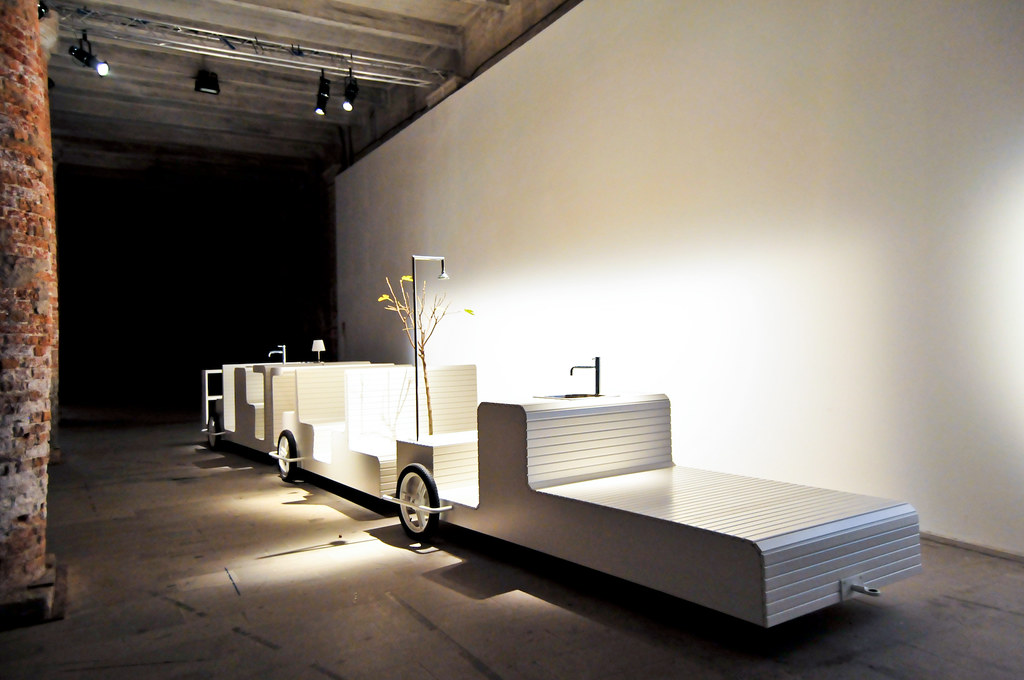 [credit](https://live.staticflickr.com/3248/3046501110_d236624883_b.jpg), [licence](https://creativecommons.org/licenses/by-nc-nd/2.0/) ## The Curator's Vision: Decoding the Biennale's Artistic Heartbeat At the core of each Biennale is the vision of an appointed **artistic director**. This individual, a leading figure in the art or architecture world, crafts an overarching theme for the central international exhibition. Their curatorial statement isn't just a fancy title; it's the intellectual framework that shapes much of what you'll see, influencing artist selections and the dialogues presented. Think of it as the conductor of a global orchestra, setting the tone and rhythm for the entire event. For example, if a director's theme was "The Body Electric," you might expect to see installations exploring human-machine interfaces, [performance art](/finder/page/history-evolution-of-performance-art) focusing on biological processes, or paintings that pulsate with technological metaphors. While the national pavilions maintain their autonomy, they often engage in a fascinating conversation with this central theme, either directly responding to it or offering contrasting perspectives. Understanding this curatorial intent beforehand – even a quick read of the director's statement – can profoundly deepen your engagement, transforming your visit from passive observation to active participation in a global artistic conversation, and honestly, that’s where the real magic happens for an artist. It encourages you to think critically, to connect disparate pieces, and to see the exhibition not just as a collection of objects, but as a meticulously constructed argument about the current state of art and the world. ## Maximizing Your Artistic Immersion: Practicalities and Mindset Look, a trip to the Biennale requires thoughtful planning. Venice itself is a unique city, and adding a world-class exhibition to the mix demands a strategic approach. And trust me, a little forethought can save a lot of head-scratching (and foot-soreness), allowing you more mental space to absorb the art. ### When to Go: Timing is Everything The Biennale typically runs for several months, often from May/June through November. When you decide to go can really shape your experience, especially if you're trying to absorb as much inspiration as possible. Here’s my take, neatly laid out to help you make the best call: | Season | Experience for Artists | Pros | Cons | Ideal For | | :--------------- | :----------------------------------------------------------------------------------------------------------------------------------------------------------------------------------------------------------------------------------------------------------------------------------------------------------------------------------------------------------------------------------------------------------------------------- | :-------------------------------------------------------------------------- | :----------------------------------------------------------------------------------------------------------------------------------- | :-------------------------------------- | | **Opening Weeks**<br>(May/June) | A sensory overload, yes, but for an artist, it’s like tapping directly into the zeitgeist. You're breathing the same air as curators, critics, and collectors, catching snippets of intense debate, and seeing fresh ideas explode before they've even had time to settle. The electric hum of nascent ideas is palpable! You might even spot a few art-world luminaries and strike up an unexpected conversation. | Intense buzz, first glimpse of new works, prime networking potential. | Crowded venues, higher prices, frenetic pace, less contemplative time. | Cutting-edge immersion, networking | | **Mid-Season**<br>(July-August) | Venice can be exceptionally hot and humid, and tourist numbers peak. I remember sweating profusely trying to absorb a delicate watercolor in August, so I learned my lesson! The art is still there, but the environment makes deep focus harder. Unless you thrive in heat, it might be tough for sustained artistic reflection. | Still vibrant, but slightly less crowded than opening. | High heat/humidity, peak tourist numbers, can detract from focus. | General exploration, if heat doesn't deter | | **Late Season**<br>(September-November) | Many consider the autumn months ideal. The weather is milder, the air often crisp, and crowds begin to thin, allowing for a more contemplative experience. The light in Venice takes on a certain softness then, perfect for an artist’s eye, making colors sing and forms reveal subtle nuances. This period allows the ideas, the forms, the colors you’ve absorbed to truly settle and interact within your own creative mind. | Milder weather, fewer crowds, more contemplative experience, better deals. | Some minor events might have concluded. However, core exhibitions remain. | Contemplative absorption, deeper reflection | ### Accommodation and Transport: Venice's Quirks Book your accommodation well in advance, especially if you plan to visit during peak times. Options range from luxurious hotels to charming B&Bs and apartments. Consider staying slightly outside the main tourist areas for a more authentic experience and potentially better value. It’s a great way to stumble upon local life, which can be its own form of art. Be aware, too, of *acqua alta* (high water), a phenomenon common in autumn and winter that can flood low-lying areas. While often manageable with raised walkways, it's worth checking forecasts if traveling in those seasons. Getting around Venice is an experience in itself. The primary mode of public transport is the **Vaporetto** (water bus). A multi-day pass is highly recommended for convenience and cost-effectiveness. However, let's be honest, Venice is best explored on foot. Be prepared for extensive walking, navigating countless bridges, and enjoying the sheer joy of getting wonderfully lost in its labyrinthine alleyways. Navigating Venice by foot, stumbling upon unexpected courtyards or bridges – it’s a masterclass in how context shapes perception. You begin to notice how a seemingly simple architectural element can completely alter the experience of a space, a lesson invaluable for any artist thinking about presentation or installation. Embrace it! You might even find yourself sketching a particularly striking architectural detail or the way light falls on an ancient wall. ### Ticketing: Don't Get Caught Out Thinking you can just show up? Think again! Purchase your Biennale tickets online in advance. This saves time and often allows for multi-day passes that offer better value if you plan to visit the main venues over two or more days, which I highly recommend. A single day simply isn't enough to absorb the vastness of the exhibition; you’d feel like you’re speed-dating the art, and that's just no fun for serious artistic engagement. Also, keep an eye out for specific exhibitions or performances that might require separate tickets or time-slot bookings, especially for popular collateral events. Nothing worse than missing a crucial performance because you didn't check the booking details! ### Fueling Body & Mind: Nurturing Your Creative Engine Venice can be pricey, and venues often have limited, expensive food options. For a budget-conscious artist (and who isn't?), pack some snacks and a reusable water bottle. But also, embrace the local experience! Look for bacari, traditional Venetian bars offering cicchetti (small snacks), or find a local trattoria off the main tourist drag. I've had some incredibly inspiring conversations over a simple espresso in a tucked-away café, and sometimes, those little breaks are when the art you've seen truly starts to gel in your mind. And remember, pacing yourself is key – it's physically and mentally demanding, so regular hydration and sustenance are crucial to avoid artistic indigestion. Don't be afraid to take a quiet moment in a sunny piazza, sketching or simply observing the rhythms of Venetian life; sometimes the greatest inspiration comes from the spaces *between* the art. ### Language and Local Insights While English is widely spoken in the [art world](/finder/page/guerrilla-girls-art-activism-and-the-art-world), learning a few basic Italian phrases can go a long way. "Ciao" (hello/goodbye), "grazie" (thank you), "per favore" (please), and "dov'è...?" (where is...?) will not only help you navigate but also show respect for the local culture. Plus, the warmth you receive back can often lead to unexpected discoveries or helpful tips from locals, making your journey even richer. Don't be afraid to strike up a friendly conversation – locals are often proud of their city and its events, and might share unique insights if approached with genuine interest, not just for transactional purposes. You never know what local gem or artistic tip you might uncover. ### Pre-Trip Research: Deep Diving for Artistic Relevance As mentioned earlier, take a moment to research the specific theme and artistic director of the upcoming Biennale *before* you go. This will provide a crucial lens through which to view the entire event. But don't stop there! Also, look into the artists who have been selected, especially those whose work resonates with your own practice or challenges your current thinking. Understanding their background, previous works, and conceptual approaches can amplify your experience. Additionally, consider purchasing the official Biennale catalogue or guide upon arrival. It's a treasure trove of information, providing context for the works, artist biographies, and a map of all the official and collateral events. It's an invaluable companion for deeper understanding and helps you plan your days more effectively, allowing you to prioritize works and areas that align most with your artistic interests. ### Artist's Toolkit: What to Pack for Peak Creativity Beyond comfortable shoes (your feet will write angry letters to your brain if you don't listen!), here’s a quick checklist for your artistic adventure: * **Small [Sketchbook](/finder/page/best-sketchbook-for-beginners) & Pencils/Markers:** You never know when inspiration will strike, or when you'll want to quickly jot down a composition, a striking [color combination](/finder/page/how-artists-use-color) you’ve observed, or a thought-provoking installation idea. A tiny watercolor kit could also be a delightful addition. * **Reusable Water Bottle:** Stay hydrated without breaking the bank or contributing to plastic waste. * **Portable Charger:** Your phone will be working overtime with maps, photos, and notes. And let's be real, you'll be using it for quick image searches of artists whose work catches your eye. * **Light Scarf/Jacket & Umbrella:** Venice weather can be fickle, even in the shoulder seasons. Be prepared for anything from glorious sunshine to sudden downpours. * **Small Backpack/Crossbody Bag:** Keep essentials secure and your hands free, especially when navigating crowded spaces or carrying your artistic treasures. * **Portable Folding Stool (Optional but recommended):** Trust me on this one. When you find that perfect spot to sit, observe, and sketch, you'll thank yourself. Your back and feet will too! ## The Main Stages: Giardini and Arsenale – The Heartbeat of the Biennale These two historical venues are the heart of the Biennale and house the majority of the official exhibitions. Think of it as moving from the more intimate, curated national gardens to the grand, industrial embrace of the Arsenale. Each offers a distinct experience for the artist's eye. ### The Giardini della Biennale Literally "The Gardens of the Biennale," this park is home to 29 permanent national pavilions, each designed by a different country and featuring its own curated exhibition. The pavilions reflect diverse architectural styles and national identities, creating a fascinating microcosm of global art discourse. For example, while the Nordic nations often share a pavilion, engaging in a dialogue of collective identity with a unified space, the British Pavilion is known for showcasing a single, influential artist in its more classical structure, where the art directly engages with the historical setting. It feels like attending a global art fair where each country has its own dedicated gallery space, showcasing its current artistic ambassadors. Adjacent to these, you'll find the Central Pavilion, which hosts a significant portion of the main international exhibition curated by the Biennale's artistic director. Walking through the Giardini is like a condensed tour of the world's creative spirit, moving from one distinct national 'world' to another. It's an outdoor experience punctuated by intimate indoor spaces, where you might encounter anything from a provocative **[installation art](/finder/page/what-is-installation-art)** piece that challenges your perception of space to a quiet, contemplative display of painting – each a contained universe of ideas. As an artist, you'll find invaluable lessons here on how different cultures approach form, narrative, and material, prompting questions about your own artistic roots and global influences. ### The Arsenale Once the industrial heart of the Venetian Republic, the Arsenale is a vast complex of former shipyards and armories. Today, its immense, historic buildings, particularly the **Corderie dell'Arsenale** – that incredible 317-meter-long former rope factory – provide a dramatic backdrop for art. The Arsenale typically hosts the larger part of the main international exhibition, often featuring monumental installations, large-scale sculptures, and performance pieces that leverage the sheer scale and industrial character of the space. Here, you'll often see works utilizing raw, industrial materials, light projections, or immersive soundscapes that play with the building's vastness and history. I remember walking through the Corderie one year, feeling dwarfed yet electrified by a sprawling, multi-channel video installation that used the entire length of the building to tell a nonlinear narrative. It’s like walking into a vast, industrial studio, and the sheer length of the Corderie invites a prolonged, meditative journey through contemporary ideas. For me, this space, steeped in history, truly amplifies the contemporary statements made within its walls. It begs the question, doesn't it? How does one distill so much brilliance into a single experience, especially when the building itself is part of the story? For me, the answer is often found in embracing the journey, allowing the vastness to wash over you, and trusting that the most resonant pieces will find their way to your creative core. 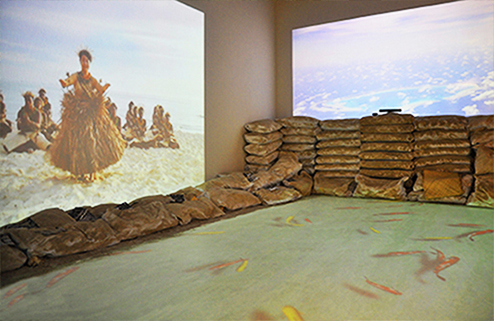 [credit](https://upload.wikimedia.org/wikipedia/commons/1/16/57th_venice_biennale%2C_interactive_installation_daniela_danica_tepes_kiribati_pavilion%2C_2017_%2829403139818%29.jpg), [licence](https://creativecommons.org/licenses/by-sa/2.0) ## Beyond the Main Hubs: Collateral Events – The Hidden Gems for Artists While the official pavilions and curated central exhibitions offer a foundational overview, the true magic of Venice often lies in its hidden corners and independent artistic expressions found in the **Collateral Events** (or sometimes "Parallel Events"). These are independently organized exhibitions, officially recognized and approved by the Biennale, but existing outside its main curatorial structure. They are scattered throughout Venice in palazzos, historic churches, forgotten industrial spaces, and unexpected courtyards, transforming the entire city into a living gallery. For an artist, these events are gold. Why? Because they often showcase more experimental works, emerging artists, or niche themes that might not fit the broader narrative of the main exhibition. Think of a site-specific sound installation in a deconsecrated church, a [performance art](/finder/page/what-is-performance-art-history-and-key-artists) piece in a quiet canal-side courtyard, or an experimental film screening in a former glass factory on Murano. These are the moments where you get a raw, unfiltered glimpse into diverse creative practices and potentially stumble upon the next big thing, or at least a fresh perspective that challenges your own assumptions about art. I always carve out time to just wander and stumble, because these serendipitous discoveries often provide some of the most memorable and unique encounters. Finding a thought-provoking show tucked away in a tiny palazzo, accessible only by a blink-and-you-miss-it alleyway, can truly make a trip special and challenge perceptions in the most unexpected ways. To maximize your chances, consult the official Biennale guide for a list of approved collateral events, but also keep your eyes peeled for independent gallery openings and temporary installations as you explore. This is where art truly bleeds into the fabric of the city, offering intimate dialogues between past and present, medium and message. ## Embracing the Labyrinth: Artistic Serendipity Seriously, learn from my mistakes (and successes!) to maximize your artistic immersion: Embrace getting lost. Some of Venice's most magical moments happen when you deviate from the map. That hidden canal, that unexpected piazza… that’s where the real Venice, and often some incredible art, truly reveals itself. I once got wonderfully lost trying to find a specific Collateral Event and stumbled upon an impromptu performance in a tiny courtyard – completely unplanned, utterly unforgettable. It’s a masterclass in allowing the unexpected to fuel your creative mind, much like letting a [spontaneous abstract composition](/finder/page/understanding-balance-in-art-composition) emerge on your canvas. These moments of unguided exploration can be just as inspiring, if not more so, than the most meticulously planned visit. Trust your intuition, let your curiosity lead, and be open to whatever the city decides to show you. 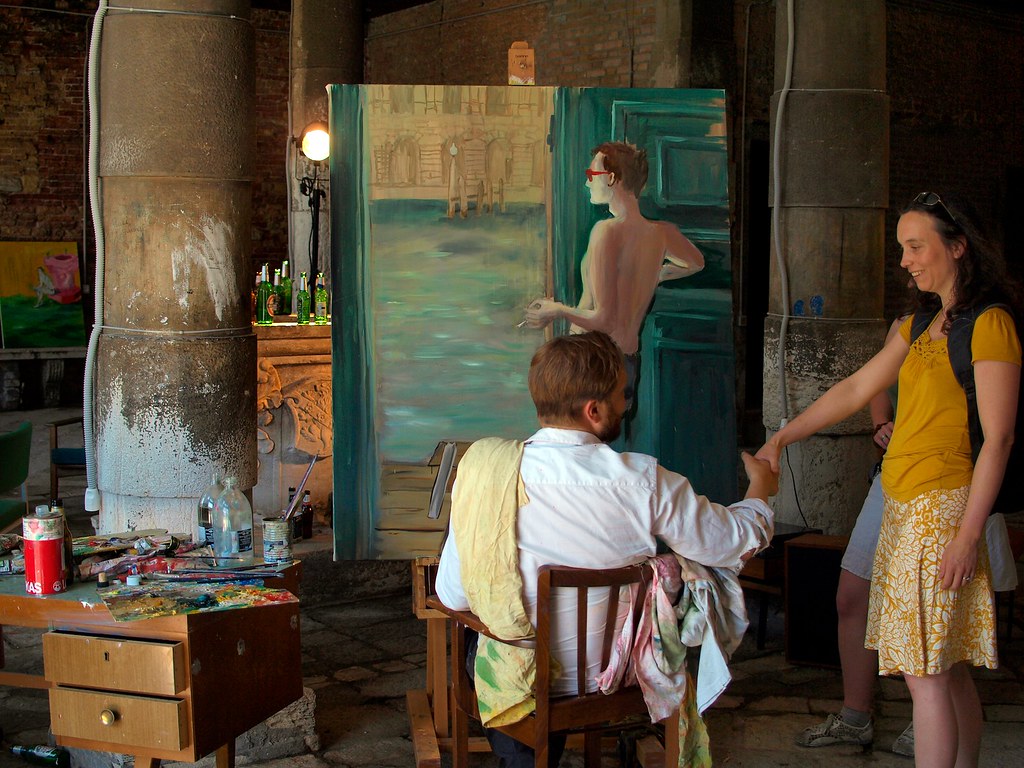 [credit](https://live.staticflickr.com/2484/3659932109_dd9677ff13_b.jpg), [licence](https://creativecommons.org/licenses/by-nc-sa/2.0/) ## Why it Matters: An Artist's Profound Perspective and Creative Fuel From my perspective as an artist, the Venice Biennale is more than just an exhibition; it's a vital forum for global dialogue. It challenges perceptions, pushes boundaries, and reflects the contemporary pulse of humanity through its diverse expressions – from groundbreaking video art and digital installations to compelling performance art and large-scale sculptures. Witnessing such a concentrated display of innovation from across the globe is profoundly inspiring. I've often seen works by artists like Pipilotti Rist (known for her immersive, sensory-rich video environments that blur the lines between physical and digital spaces) or Bruce Nauman (whose conceptual and performance art rigorously interrogates language, the body, and experience) that immediately spark new ideas and push me to question my own artistic boundaries. Think of how an artist might reinterpret the spatial considerations of an architectural pavilion in a two-dimensional painting, or how an understanding of light and shadow in a Venetian alleyway could inform a sculpture's placement. I've walked out of the Biennale feeling a visceral need to experiment with larger canvases after seeing monumental works, or to explore a bolder palette after encountering unexpected [color harmonies](/finder/page/the-psychology-of-color-in-abstract-art-beyond-basic-hues). It's not just about seeing art; it's about the subtle recalibration of your own artistic compass, making you rethink scale, color choices, and the intricate relationship between form and function in my own work. For example, seeing large-scale immersive installations might inspire a painter to consider the viewer's physical relationship to the artwork, leading to works that invite a more active or embodied experience. It expands one's understanding of what art, and indeed architecture, can be. I recall one year, seeing a sprawling, ephemeral installation, which made me rethink the very concept of permanence in my own studio practice – leading to new ideas for my [art for sale](/buy) that embraced impermanence. The Biennale also provides invaluable insights into how diverse national artistic traditions manifest visually, broadening an artist's understanding of aesthetic approaches and cultural dialogues. For anyone deeply engaged in a [creative journey](/timeline), the Biennale offers a unique lens through which to view the trajectory of our collective artistic evolution. I often find ideas sparked here influencing my own work, whether it’s exploring new compositions or considering different structural compositions, much like an architect might when visiting. This shared experience of art’s evolution is a testament to its enduring power, and honestly, a potent reminder of why I do what I do. And while the intellectual and aesthetic stimulation is paramount, it's also a fascinating ecosystem to observe the ebb and flow of artistic careers and market trends. Understanding what kind of work is gaining critical traction or being actively acquired on this global stage can offer valuable insights, not just for artistic development, but for comprehending the broader cultural climate and what themes are currently resonating with collectors and institutions. It's a key reason why many artists aspire to have their own [artist statement](/finder/page/the-art-of-the-artist-statement-crafting-your-narrative) resonate at such events, or why collectors look to [collect emerging abstract art](/finder/page/collecting-emerging-abstract-art-a-guide-to-discovering-tomorrows-masters) from these stages. Observing the dialogue between artists, gallerists, and critics can demystify the art world and offer practical lessons for presenting your own work. ### Documenting Inspiration: Notes and Photos Documenting what resonates is crucial. For me, it's not just about remembering the artwork, but capturing the *feeling* it evoked – a particular brushstroke, a surprising color combination, the way light hit a sculpture, a fleeting interaction with another viewer. These visual and emotional notes, like a mental sketch of a striking [abstract composition](/finder/page/understanding-balance-in-art-composition), become potent seeds for future projects. I find it helpful to organize my photos and notes by theme or artistic technique after the trip, creating a visual journal that I can revisit for months. Just remember to respect the artists' wishes regarding photography; sometimes the most profound moments are the ones you absorb directly, no lens required. And don't forget to capture the *context* too – how a piece sits in its space, the surrounding architecture, or even the reactions of fellow visitors can be invaluable data for your own artistic explorations. 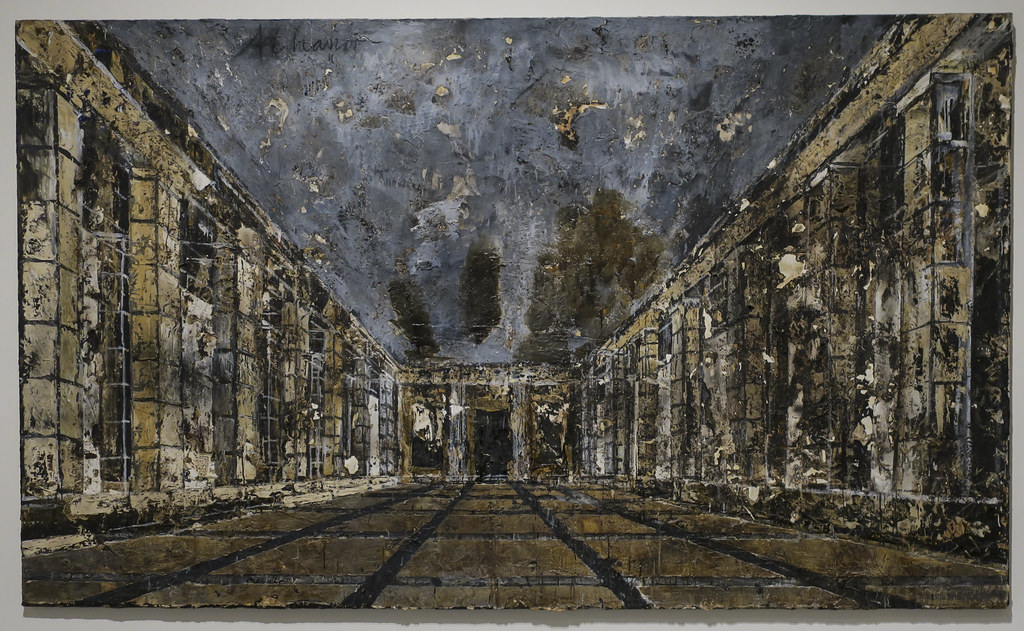 [credit](https://live.staticflickr.com/7818/44764672790_9f23648526_b.jpg), [licence](https://creativecommons.org/publicdomain/zero/1.0/) ## Frequently Asked Questions: My Honest Answers for Fellow Creatives ### The Eternal Question: How Long Does It *Actually* Take to See Everything? Honestly, 'everything' is a myth at the Biennale. It’s more about curating your own experience. Think of it like selecting a focused body of work rather than trying to produce an exhaustive retrospective. Aim for depth, not breadth. The Giardini typically houses around 30 national pavilions and the Central Pavilion, while the Arsenale's Corderie alone is immense. A solid 2-3 full days are needed just to properly explore the Giardini and Arsenale. If you wish to delve into a selection of Collateral Events, plan for an additional 1-2 days per focused exploration you're interested in, bringing your total to 4-5 days or more. Perhaps choose one main venue and a few Collateral Events that truly pique your curiosity. That way, the art has space to breathe and to imprint itself on you, rather than just becoming a blur of images – trust me, artistic indigestion is not the goal here. The key is to leave feeling inspired and refreshed, not exhausted and overwhelmed. ### Is the Biennale only for Art Professionals? (Spoiler: Absolutely Not!) Absolutely not! I firmly believe the Biennale is for anyone with a curious mind and an open heart, especially if you’re an aspiring artist or just beginning your appreciation journey. The [contemporary art](/finder/page/contemporary-art-meaning) world, as reflected by the Biennale, is increasingly accessible and inclusive. Yes, you'll see the critics, the curators, the gallery owners, but their passion stems from the same place as yours: a love for how humans express themselves. Some conceptual pieces might make you scratch your head (and that's okay!), or perhaps a performance piece challenges your preconceived notions of beauty, but there’s always something visually arresting, emotionally resonant, or simply beautifully crafted that will connect with you. If a piece initially confuses you, try reading the accompanying text, observing others' reactions, or discussing it with a companion – sometimes understanding the *question* an artwork poses is more important than finding a definitive *answer*. Come as you are, with your artist’s eye, and be prepared to be amazed. ### Can I Bring Children to the Biennale? Oh, absolutely! Think of it as planting a seed of wonder. While some conceptual works or installations with mature themes might be harder for younger audiences to grasp, the sheer visual spectacle of many exhibits, especially in the Giardini’s open spaces, can be captivating for younger minds. It’s an incredible opportunity to expose them to the vast possibilities of human creativity and to spark their own imaginations. Look for interactive elements or pieces with strong visual narratives – they’re often the biggest hits, even for adults! Check the Biennale's official website for any specific family-friendly programs or resources they might offer. It's a chance to show them that art isn't just paintings on a wall, but a dynamic, living force that can take countless forms. ## Conclusion: Your Unforgettable Venetian Canvas for Creative Transformation So, after all the walking, the wondering, the overwhelming beauty, and the quiet contemplation, leaving Venice after a Biennale visit isn't just leaving a city; it's carrying a richer palette of understanding, a broader spectrum of potential, and a renewed sense of purpose. You’ll return to your studio not just with new ideas, but with a subtly shifted perspective, ready to translate the profound dialogues you’ve witnessed into your own unique visual language. Venice, in those months, becomes your canvas, waiting for you to absorb its stories and paint your own. It's a transformative experience, one I wouldn't trade for anything – and one I hope you embark on with an open heart and comfortable shoes. Use this guide as your starting point, then dive deeper into the Biennale's website to pinpoint specific highlights and past exhibitions that pique your interest. So, pack your sketchbooks, book your flights, and prepare to let Venice and its Biennale unlock new dimensions in your [creative journey](/timeline). See you there!